Trade Guide

Samples and Inspection: What to Check Before You Pay the Balance

Updated July 2026 · by the Qula Craft Sourcing Team — the people who quote and pack these lines every week.
Short answer: there are three kinds of sample and they prove different things — a stock sample proves quality, a colour-matched sample proves your palette, a pre-production sample proves the actual production run. Check colourfastness, size consistency, hole and back finish, pack format and count before releasing the balance.
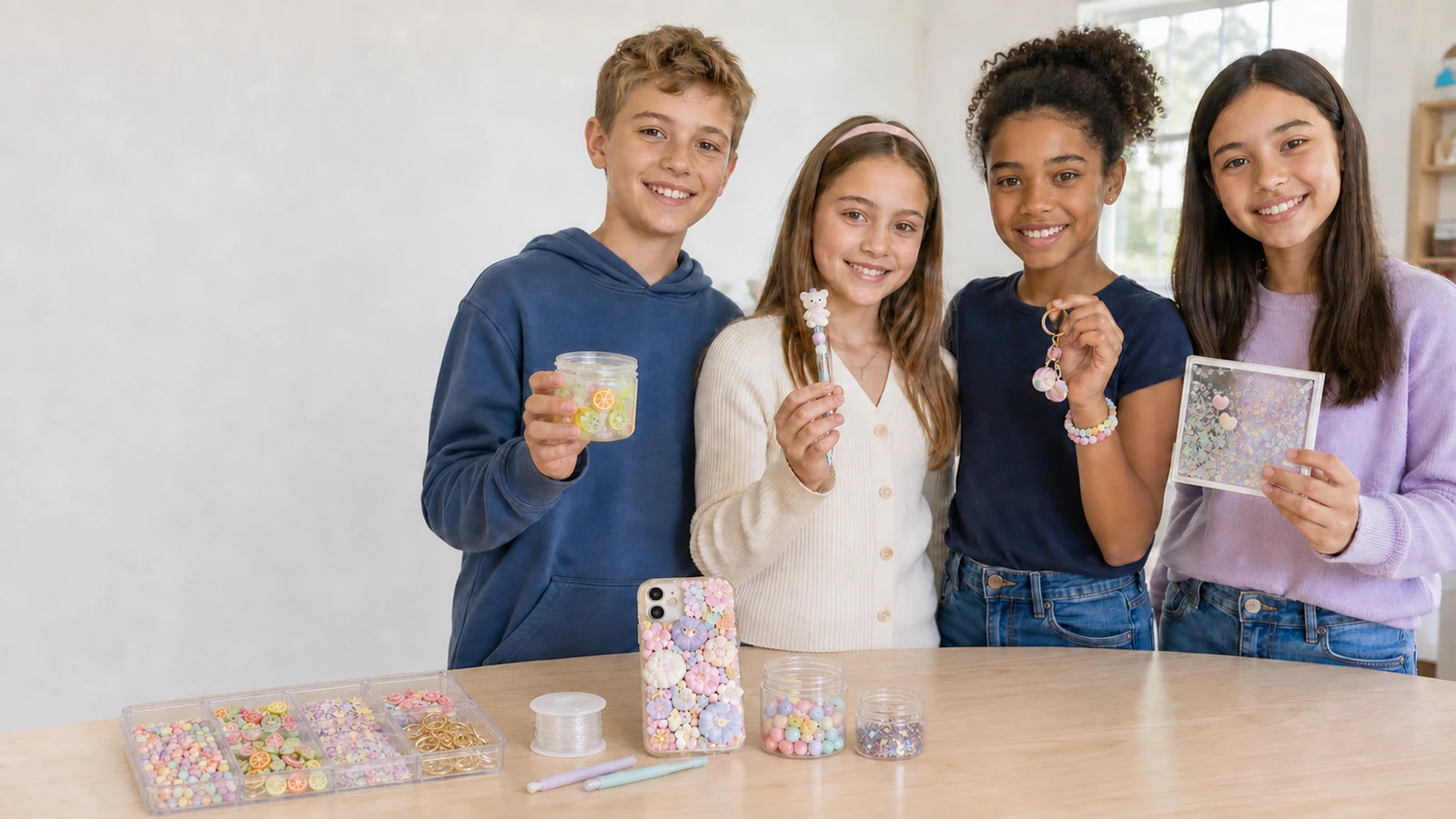
Craft supply samples laid out for inspection before bulk production
A sample only proves what you asked it to prove — decide that before you request one.

1. Three kinds of sample, three different jobs

Sample typeWhat it provesWhen to ask
Stock sampleReal material, finish and size of an existing lineBefore a first order from a new supplier
Colour / mix sampleYour palette or ratio, on an existing shapeWhen you are customising a stock design
Pre-production sampleThe actual run, from the actual mould, in the actual packAlways, on custom work, before mass production

Confusing the first and the third is a classic and expensive mistake. A stock sample tells you the factory can make good goods. Only a pre-production sample tells you your goods are right.

2. The five checks that matter for craft supplies

  1. Colourfastness. Put a pinch into your palest base or resin, seal it, leave it somewhere warm and check at 24 hours and again at a week. Bleed rarely shows on day one — it shows after the batch has shipped.
  2. Size consistency across the bag, not just the top layer. Pour some out, measure a handful from the middle. Nominal sizes are nominal.
  3. Hole and reverse-side finish. For pen beads, confirm hole direction and that it is clear of flash. For flatback pieces, confirm the back is genuinely flat and clean enough to glue.
  4. Pack format and count. Weigh or count one bag against the spec. If you are reselling the bag as retail, check the seal and print now, not after 500 arrive.
  5. Smell and residue. A strong chemical smell on arrival usually means insufficient curing time. It is a legitimate reason to hold a batch.

3. Batch variation on detailed pieces is physics

On highly detailed resin designs you may notice small differences between orders. That is not necessarily carelessness. Mixing the two resin components causes an exothermic reaction that generates heat, and that heat plus the casting compounds degrades the mould — a flexible mould typically yields between 25 and 100 castings before it starts losing fine detail.

What to do with that knowledge:

  • Judge intricate designs from a current-batch sample, not from a listing photo that may have been taken from an early pull.
  • On reorders of detailed pieces, ask whether the run came from a fresh mould if crispness matters to your customer.
  • Do not apply the same tolerance to clay slices — polymer clay is PVC-based and cured at roughly 129–135 °C with patterns running through the cane, so its variation shows up as pattern and thickness rather than lost detail.

4. Inspecting without flying anywhere

For a first order at craft-supply values, a full third-party inspection often costs more than the goods. Cheaper checks that catch most problems:

  • Photos of the packed cartons before shipment — count, labels and carton condition.
  • A short video of a bag being opened and poured out, which catches size and colour spread far better than a styled photo.
  • A retained sample kept by you from the approved pre-production batch, so any later dispute is comparison rather than memory.

Once your order values justify it, a third-party inspection at the factory before shipment is the standard next step.

5. What we do on our side

Stock samples ship quickly, and custom projects always include a pre-production sample so shape, colour, mix ratio and packaging are confirmed before mass production. Every quotation comes with carton data so you can check pack format against what arrives. Batch test reports for EN 71, ASTM F963, CPC and REACH are available on request for buyers who need them for retail channels.

Sample fees and whether they are credited against a bulk order are confirmed per project — ask in the enquiry and it will be in writing on the quotation.

Keep a retained sample. Put the approved pre-production sample in a labelled bag with the date and keep it. If a later batch is questioned, you are comparing two physical objects instead of arguing from memory.

Ask for a sample with the checks specified

Tell us which designs and what you need the sample to prove — colour match, size, pack format. Stock samples move quickly; custom projects always include a pre-production sample before mass production.

Request samples

Keep Reading

Related buyer guides

Get QuoteWhatsApp
Chat on WhatsApp