We use Google Analytics for website statistics and Microsoft Clarity for heatmaps and session replay. Analytics cookies and Clarity recordings are enabled only if you accept. Inquiry form content is masked. Privacy policy
Visual Sourcing · DIY Components
Find the Craft Components in Your Reference Photo
Updated November 10, 2026 · by the Qula Craft Sourcing Team.
Start with a full project photo and a close-up of the part you want. Identify the decorative pieces, connectors and base separately, then compare catalog references by size, material, backing and packing. Qula Craft accepts reference-photo inquiries; an exact match, sample, custom design or finished assembly needs confirmation.
Original RW26801 product photograph. See the component references below; the page does not show a supplied finished kit.
What are you trying to find from the picture?
A finished bag charm, a decorated phone case and a bag of slime toppings need different sourcing questions. Mark the part you want before asking for a match. Keep one full photograph for context and add a crop of the small detail; the crop alone may hide the connection or make a tiny decoration look much larger.
Your picture
A useful question
What to confirm next
One loose charm
Can I source this design or a similar shape?
Front and back, size, material and fitting.
A finished bag charm
Which parts make up this accessory?
Beads, cord, rings, connectors and whether assembly is included.
A decorated phone case
Where can I buy the little cakes or cookies?
Focal pieces, small fillers, usable area, height and backing.
A mixed filler bag
Can I get this color direction and mix?
Every component, proportions, unit weight and permitted variation.
A drawing or generated concept
Which existing parts are close, and what would need development?
Existing alternatives, custom scope, sample approval and separate terms.
Match the words you use to actual components
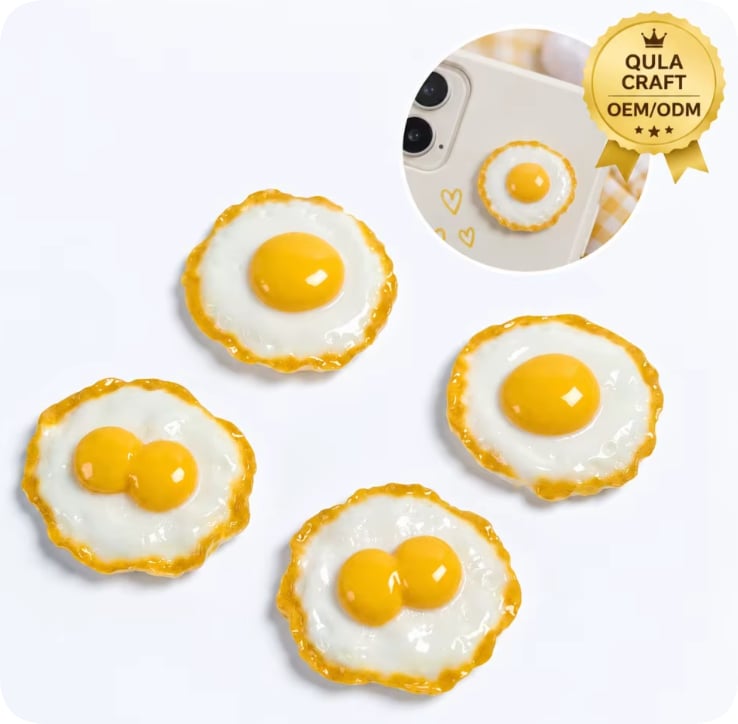
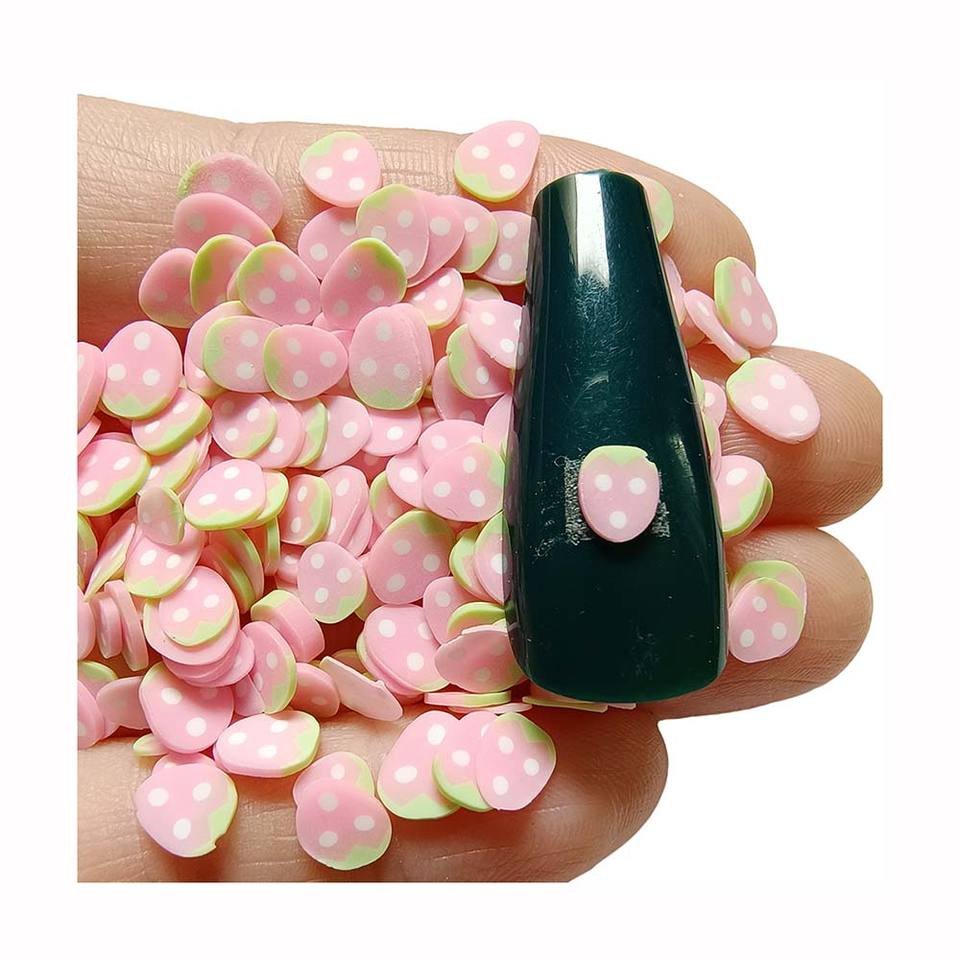
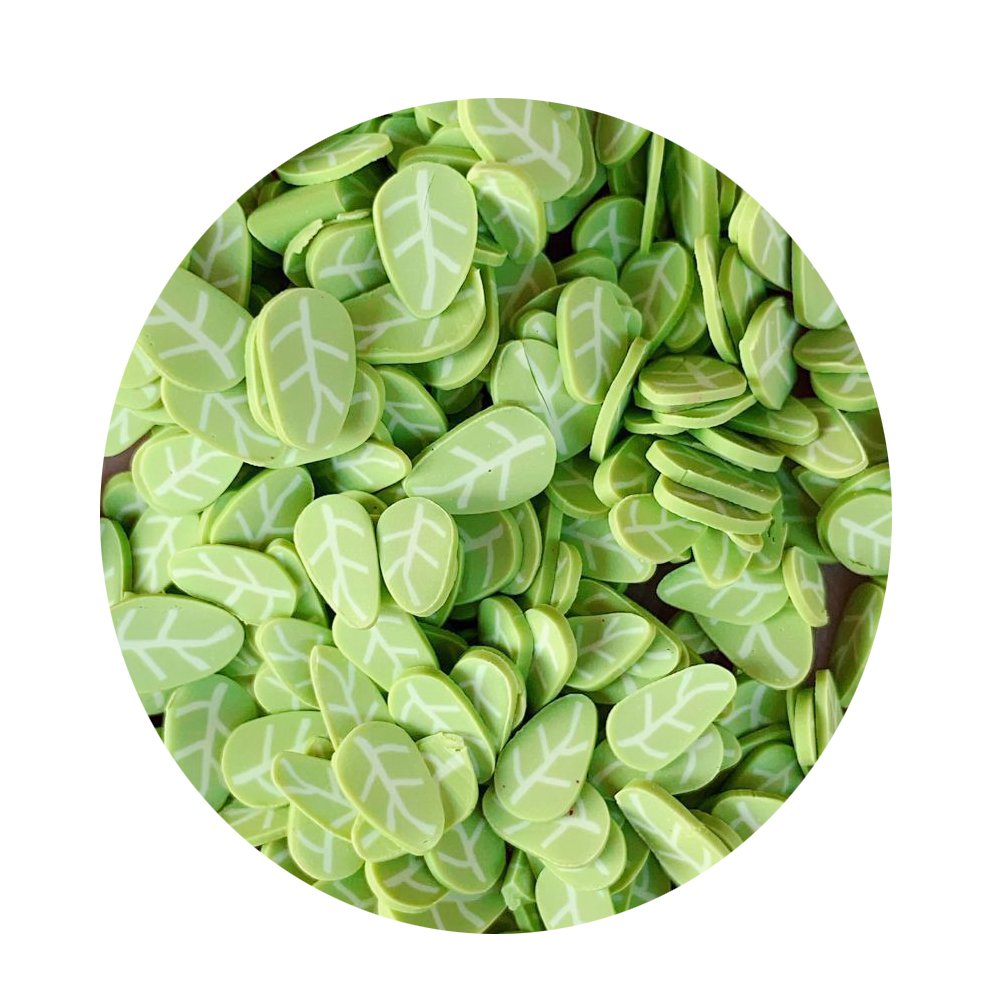
You do not need to know the trade name. “Little fried eggs for a phone case” is enough to begin a visual comparison. The examples below connect everyday descriptions to separate catalog references, with listed dimensions and packing alongside the original product photographs. They are options to investigate, not proof of a match to an unseen picture.
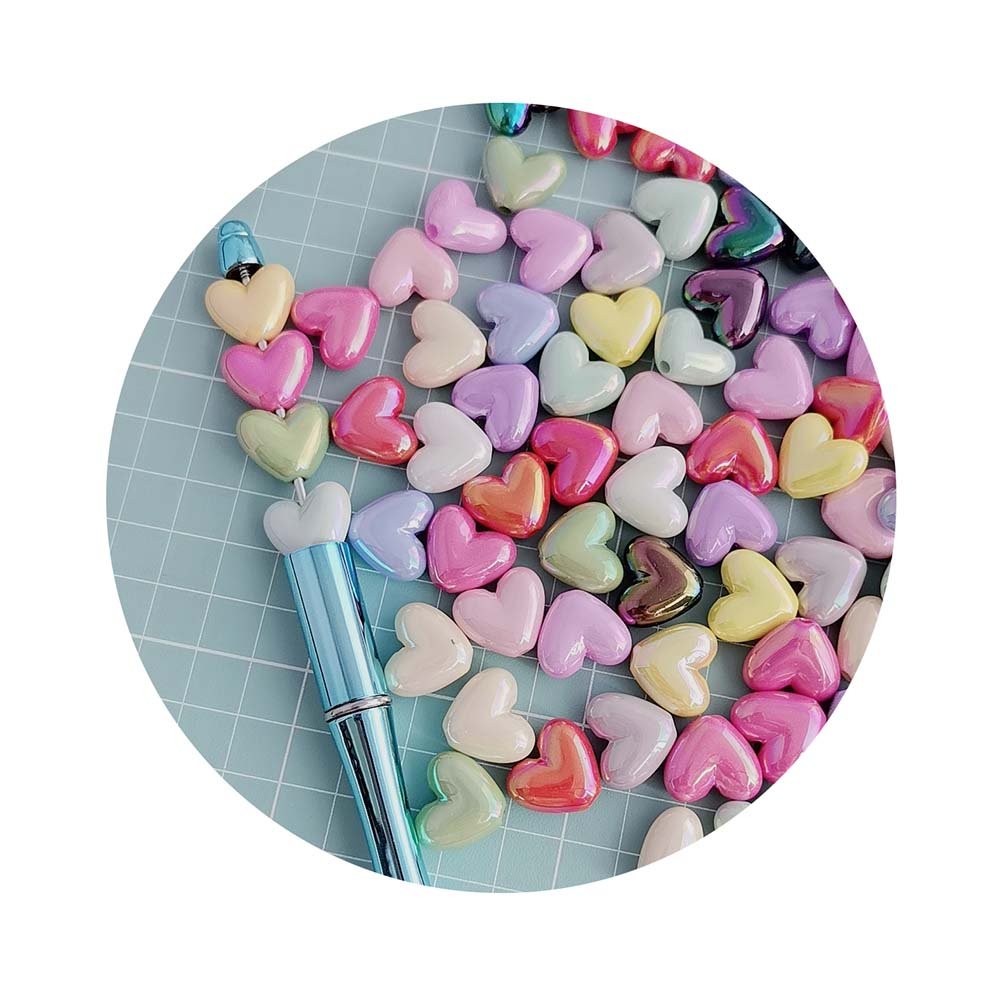
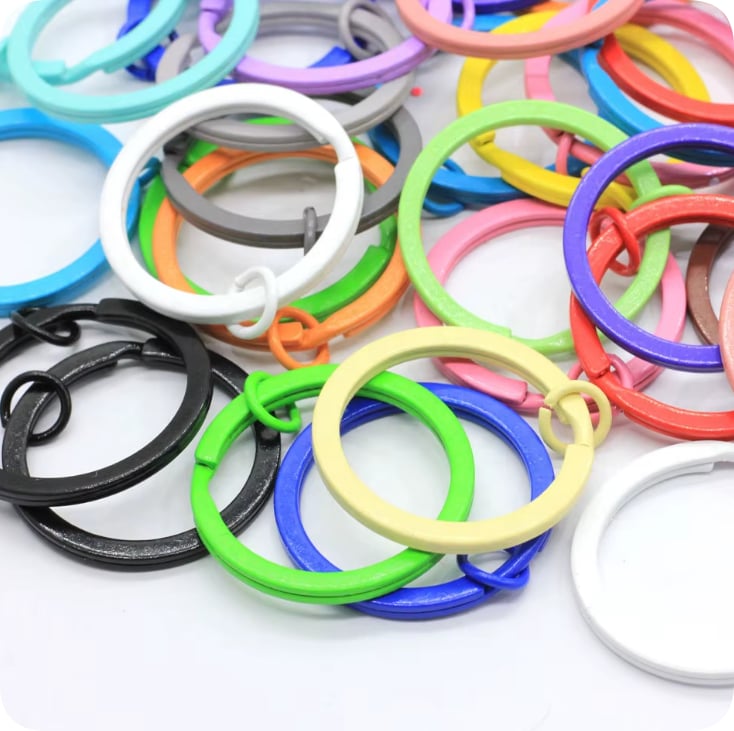
Separate the visible parts into a main decoration, supporting beads, connecting hardware and the cord or chain. A photo of a heart bead next to a key ring does not establish how the two will connect. For example, YA425 is listed with a 2.5 mm hole; CDK070 is listed as a 30 mm split ring. The ring's overall diameter is not the thickness of the wire and does not demonstrate that it passes through the bead.
Ask for the missing connector dimensions and try the actual assembly. If your chosen resin decoration has no hole, plan a suitable attachment or select a different component. Do not describe it as ready to hang just because the front resembles the finished accessory in your picture. Cord, chains, clips, bases and complete assembly must be listed separately in the inquiry.
From a phone-case screenshot to a usable layout
Begin with the case area available after the camera opening and edges are excluded. Identify the large focal pieces first, then the smaller accents. A front photo can help you compare motif and color, but a reverse-side image and thickness measurement are needed to assess contact and clearance. Check the actual adhesive with the charm finish and case material on a sample.
When you ask for “something similar but smaller,” specify the maximum width, length and height rather than relying on the visual crop. If color matters, include a physical reference or an agreed color target for sample review. Screen colors and photographic lighting are not a batch color specification.
Turn “I want to make 100” into quantities by SKU
Count components per finished item before comparing source packs. The example below is planning arithmetic for a proposed 100-piece accessory project, not a supplied kit or a confirmed assembly.
Proposed component
Use per item
For 100 items
Buying check
One split ring, such as CDK070 after fit approval
1
100 rings before spares
The listed reference is 100 pieces/bag; confirm color selection, MOQ and availability.
Heart beads, such as YA425 after fit approval
3
300 beads before spares
The reference pack is 500 g. Count and weigh a sample to establish purchasing weight.
Chosen cord or connectors
According to the approved assembly
Calculate from the actual layout
Specify independently; the two references above do not include these parts.
Keep spare allowance separate from the base quantity. For counted packs, round the requirement to the agreed pack unit. For weight-based packs, measure the actual selected components rather than converting grams into a guessed fixed count. If every finished item must have the same colors, a standard random assortment may not meet that condition.
Send the full picture, the detail and your buying conditions
Use the existing inquiry form to attach reference photos. For a screenshot, circle the component you want and retain a second image showing the complete project. If you have the item, include a ruler photo and the reverse or connection. Say which features must match and which can change: shape, size, color, finish, material or packaging.
A useful brief can read: “I want components for 100 pastel bag charms. Please compare the pictured heart beads and key rings with your existing references. I need dimensions and connection details before choosing samples. Quote the selected parts separately, show the packing unit, and confirm whether cord and assembly are included. Destination: [country]; required arrival: [date].”
If you use an AI assistant to identify the picture, ask it to list possible component names and unresolved measurements, then request supplier links. Treat its visual material guesses as questions to verify. A supplier comparison is more useful when every candidate is checked against the same quantity, sample, packing and delivery conditions.
Keep the same product identity through follow-up questions
Once a candidate is selected, use its SKU and product link when asking for a smaller option, a different color or a branded pack. Keep the reference image with that line. “These ones” can become ambiguous after several pictures and revisions. Record whether the response concerns a standard catalog item, a similar alternative or a new custom design, and approve a physical sample before treating it as the production specification.
The pictured references are separate catalog products, not a preassembled kit. Pack references are not minimum orders. Images do not establish exact color, size, material or assembly compatibility.
Have the picture but not the product names?
Attach your reference and identify the parts you want to source. Include the quantity, destination and what must match. We can review existing product references and any development request before quoting.